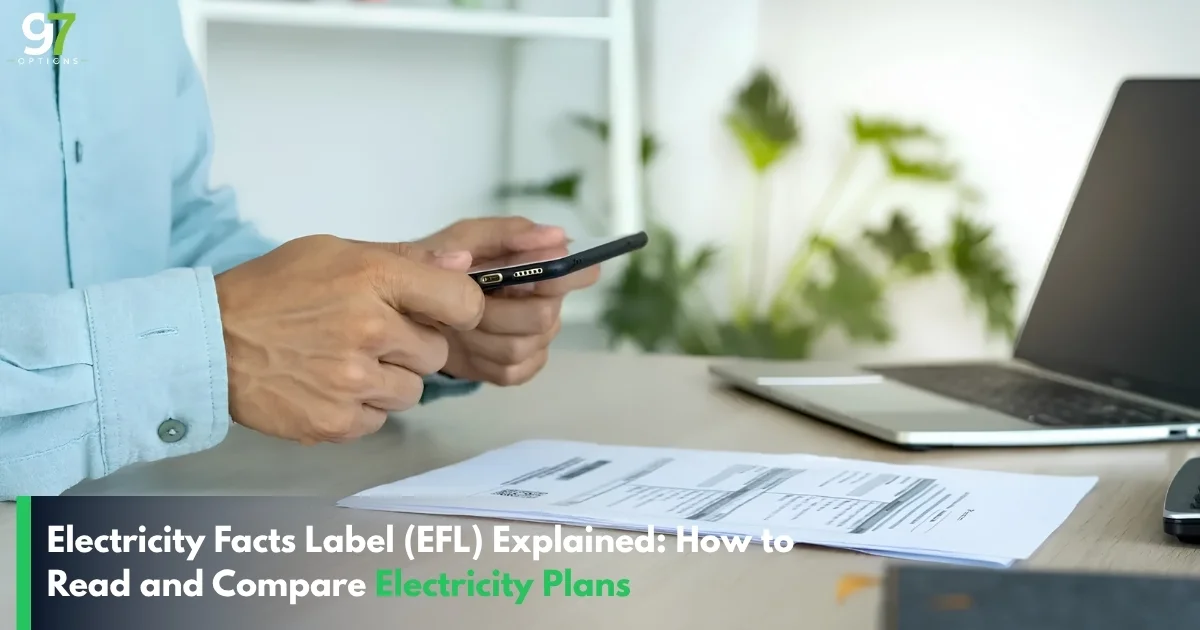
An Electricity Facts Label (EFL) helps customers understand the complete details behind an electricity plan. It provides standardized information on pricing, usage levels, charges, and other key conditions, making it easier to compare electricity options.
What Is an Electricity Facts Label (EFL)?
An Electricity Facts Label (EFL) is a standardized electricity plan disclosure document that provides detailed information about an electricity plan before enrollment. It explains how the plan is priced, what fees may apply, how long the contract lasts, and what conditions affect your final electricity bill.
- Average price per kilowatt-hour (kWh)
- Pricing at different electricity usage levels
- Fixed, variable, or indexed rate information
- Contract length
- Early termination fees
- Monthly charges
- Usage credits and discounts
- Renewable energy percentage
By reviewing these details, customers can better understand what they are actually paying for and how different plans compare.
Why Does the Electricity Facts Label Matter?
Electricity plans can look similar when you look only at advertised rates, but the final monthly cost may vary based on your energy use and the terms included in the plan.
- Compare electricity plans more accurately
- Understand the actual cost of electricity
- Identify additional fees
- Evaluate discounts and credits
- Choose a plan based on your real usage
An EFL gives customers the information needed to make a more informed decision instead of relying only on marketing offers.
How to Read an Electricity Facts Label Step by Step
Understanding each section of an Electricity Facts Label makes it easier to compare electricity plans and identify the option that provides the best value.
Average Price Per kWh and Usage Levels
The average price per kilowatt-hour (kWh) is one of the most important sections of an Electricity Facts Label.
- 500 kWh per month
- 1,000 kWh per month
- 2,000 kWh per month
These usage tiers matter because electricity rates can change based on how much you use, which affects your monthly costs.
Energy Charges Explained
Energy charges represent the cost of the electricity supplied to your home. These charges are usually calculated based on how much electricity you consume each month.
- Your monthly kWh usage
- The electricity supply rate
- Available discounts or credits
- Additional plan charges
Understanding energy charges helps you decide whether a plan suits your household.
Fixed, Variable, and Indexed Electricity Rates
An Electricity Facts Label explains the type of pricing structure used by an electricity plan.
Fixed-Rate Plans
Fixed-rate electricity plans provide a consistent supply rate during the contract period.
- Predictable monthly costs
- Easier budgeting
- Protection from sudden rate increases
Variable-Rate Plans
Variable-rate plans can change based on market conditions.
Monthly Fees and Additional Charges
The advertised electricity rate is not always the complete cost of a plan.
- Monthly service fees
- Minimum usage fees
- Additional charges
- Other plan-related costs
These charges can significantly affect your final electricity bill, especially if your household uses less electricity than expected.
Usage Credits and Discounts
Many electricity plans include credits, discounts, or promotional offers designed to reduce monthly costs.
- A bill credit may apply only after you reach a certain usage level.
- A discount may depend on contract conditions.
- Promotional pricing may not apply to every customer.
Understanding these details in the Electricity Facts Label helps you determine whether a plan’s discounts actually benefit your household.
Contract Terms and Early Termination Fees
The contract section of an Electricity Facts Label explains how long your electricity plan agreement lasts and what conditions apply.
- Contract duration
- Renewal terms
- Cancellation fees
- Early termination charges
A plan with a lower rate may not be the best choice if the contract terms don't match your situation.
Renewable Energy Information
Electricity Facts Labels also provide information about renewable energy content.
- Percentage of renewable energy included
- Environmental attributes of the plan
- Renewable energy options available
Customers interested in sustainable energy choices can use this information to compare renewable electricity plans.
Transmission and Distribution Charges
Your electricity bill may include costs related to delivering electricity from the grid to your home.
- Maintaining electricity infrastructure
- Operating local delivery systems
- Supporting reliable electricity delivery
These charges are separate from the electricity supply rate and can affect your final monthly bill.
How to Compare Electricity Plans Using an EFL
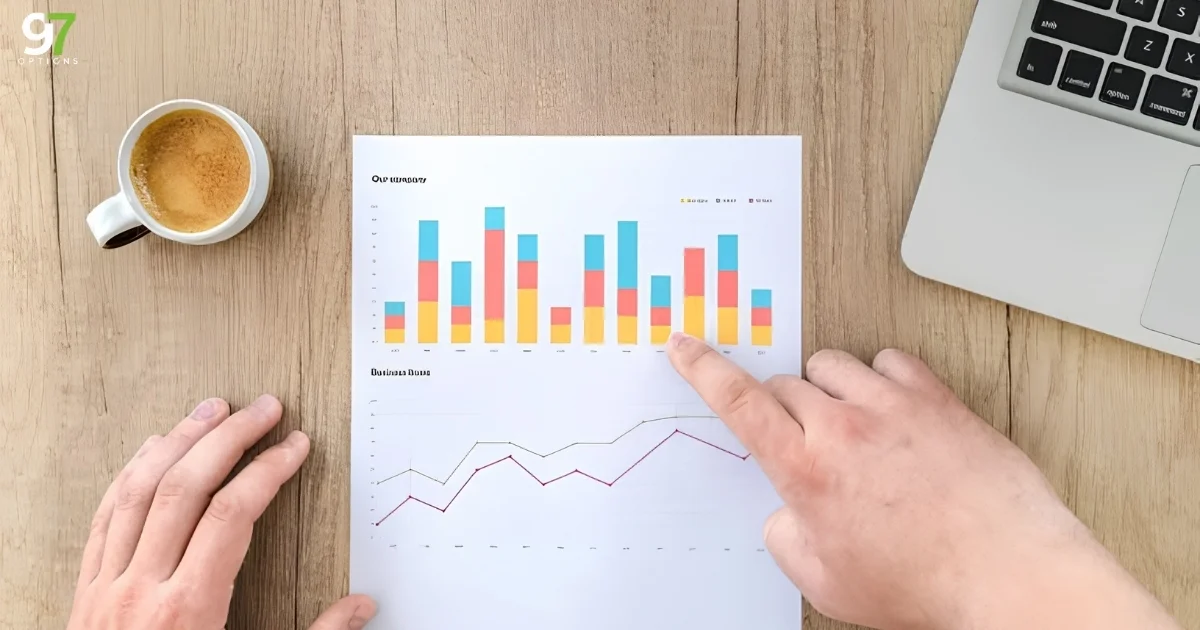
Comparing electricity plans requires looking beyond the advertised price.
- Price per kWh at your actual usage level
- Monthly fees
- Usage credits
- Contract length
- Early termination fees
- Renewable energy options
For example, one plan may advertise a lower electricity rate but include higher monthly fees, while another plan may have a slightly higher rate but fewer additional charges.
Common Mistakes When Reading an Electricity Facts Label
Choosing Only the Lowest Advertised Rate
Many customers select a plan because it shows the lowest kWh price. However, additional fees and usage requirements may increase the final monthly cost.
Ignoring Your Actual Electricity Usage
A plan that works well for a high-energy household may not provide the same value for a smaller home or apartment.
Not Checking Fees and Credits
Monthly charges, bill credits, and promotional conditions can significantly affect your final electricity cost.
Overlooking Contract Details
Ignoring contract length or early termination fees can create unexpected expenses later.
How Technology Helps Compare Electricity Plans
Manually comparing multiple Electricity Facts Labels can be time-consuming because each plan may have different pricing structures, fees, and conditions.
Disclaimer: Electricity plans, rates, and terms may vary based on location, usage, and provider. Always review the latest Electricity Facts Label (EFL) before making a decision.