
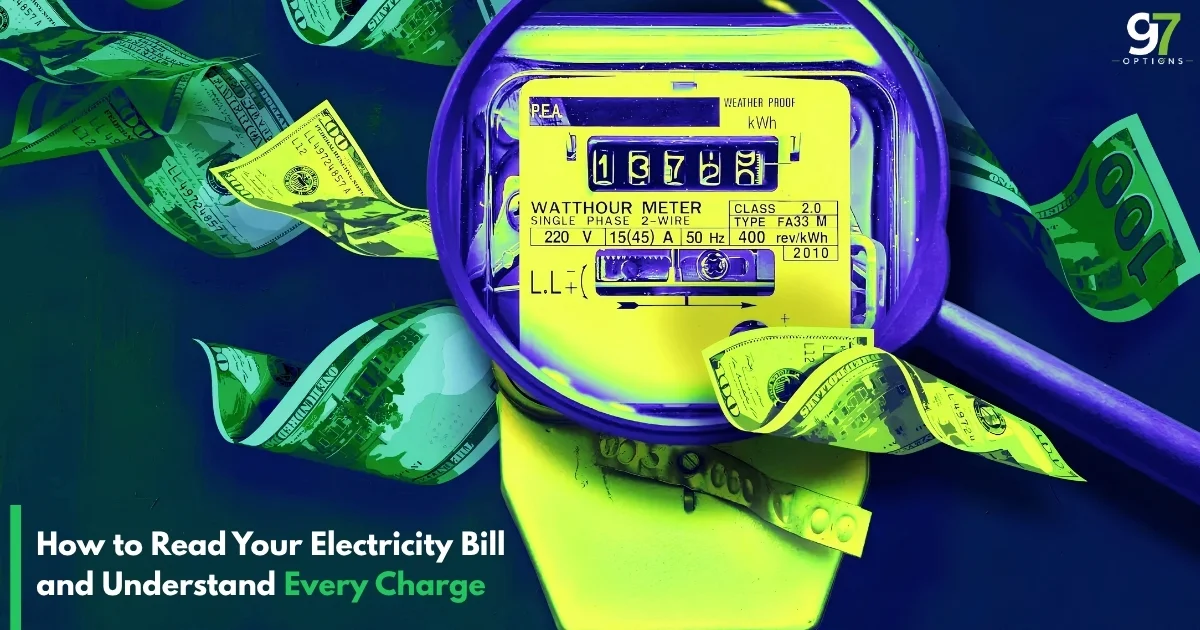
An electric bill can include kWh usage, supply charges, delivery fees, base charges, bill credits, taxes, and other adjustments. Once you understand what these line items mean, you can identify what is driving your costs, check whether your bill looks accurate, and see which parts of your electricity costs you can control.
Electricity Bill Breakdown: What to Look for First
Most residential electricity bills contain similar information, although the exact wording and layout vary by utility, supplier, and state.
| Bill Section | What It Means |
|---|---|
| Billing period | Dates covered by the bill |
| kWh usage | Electricity consumed during the billing period |
| Supply charge | Cost of the electricity itself |
| Delivery charge | Cost of delivering electricity to your home |
| Base/customer charge | Fixed monthly charge, if applicable |
| Taxes and fees | Applicable taxes, assessments, and other charges |
| Credits | Discounts or usage-based adjustments |
| Amount due | Total payment owed |
Knowing where these items appear gives you a useful starting point for understanding your electricity bill.
Check Your Billing Period and Electricity Usage
Start by checking the beginning and ending dates of your billing period. Most electricity bills cover approximately one month, but the exact number of billing days can vary.
What Does kWh Mean on an Electricity Bill?
A kilowatt-hour (kWh) measures electricity use over time. For example, a 1,000-watt appliance operating for one hour uses 1 kWh of electricity.
Actual vs. Estimated Meter Readings
Your electricity bill may show either an actual or estimated meter reading.
Understand Your Electricity Supply or Generation Charge
The electricity supply charge, sometimes called the generation charge or energy charge, generally represents the cost of the electricity you consume.
What Are Delivery, Transmission, and TDU Charges?
Electricity has to travel through transmission lines, substations, poles, wires, and other infrastructure before reaching your home.
Base Charges, Minimum Usage Fees, and Bill Credits
Several plan-related charges can affect your final electricity cost even when two plans advertise similar rates.
- Base charge: A fixed monthly amount that applies regardless of how much electricity you use.
- Minimum usage fee: A fee that may apply when consumption falls below a specified threshold.
- Bill credit: A discount that may apply when your usage reaches a specified level.
Because of these pricing structures, two plans with similar advertised electricity rates can produce different monthly bills.
Taxes, Riders, and Other Electricity Bill Fees
Your bill may also contain state or local taxes, regulatory assessments, franchise-related charges, utility riders, or other approved fees.
How to Calculate Your Effective Electricity Cost per kWh
The supply rate advertised by an electricity plan is not always the same as the effective amount you pay per kWh after other applicable charges are considered.
Why Did My Electricity Bill Go Up?
A higher electricity bill does not automatically mean your electricity rate increased.
- You used more kWh than usual
- Your billing cycle covered more days
- Your supply rate changed
- Your utility's delivery rates changed
- You did not qualify for a bill credit
- Your meter reading was estimated rather than actual
- A new rider, adjustment, or fee appeared
- A previous balance was carried forward
Sometimes several small changes combine to create a noticeable increase in the final amount due.
Which Electricity Bill Charges Can You Actually Change?
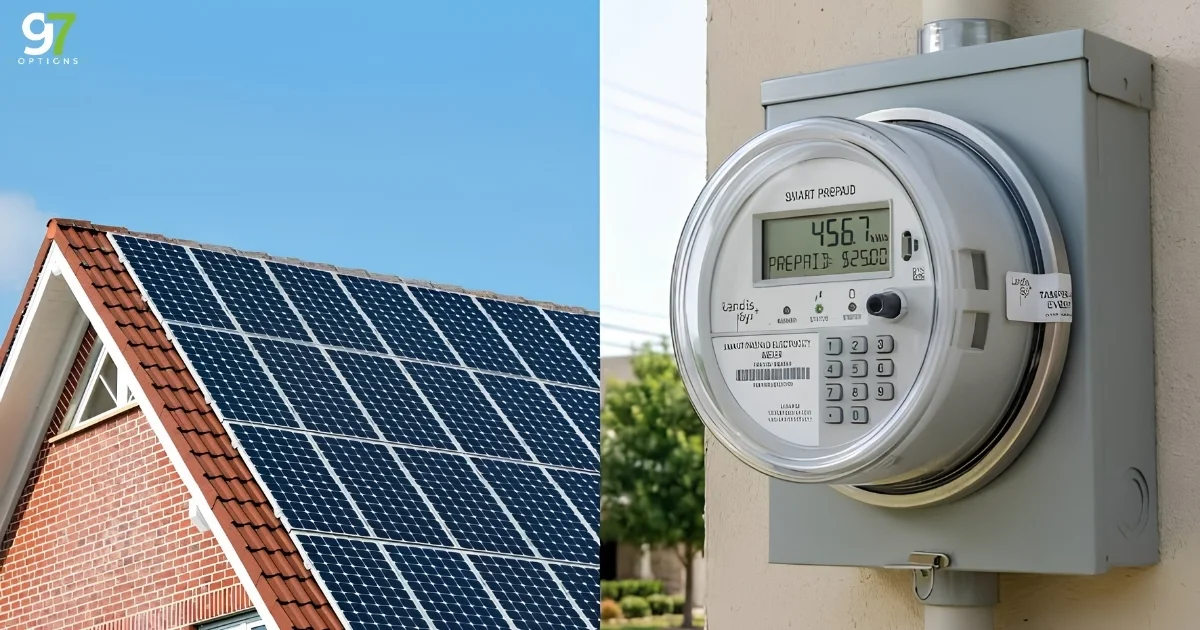
Not every electricity bill charge is within your control.
| Charge | Can It Usually Be Changed? |
|---|---|
| Electricity usage | You can influence it |
| Competitive supply rate | Sometimes, in eligible markets |
| Delivery charges | Generally not by changing suppliers |
| Taxes | Generally no |
| Plan base charge | May change with a different plan |
| Bill-credit structure | May change with a different plan |
Plan information is available through 97 Options, where you can compare rates and usage shown on a current electricity bill to better understand how different pricing structures may apply to a household.
How to Check Your Electricity Bill for Errors
Reviewing your bill regularly can help you identify unusual charges or possible mistakes.
- Confirm the billing start and end dates
- Compare current kWh usage with previous bills
- Review current and previous meter readings
- Check whether the reading is actual or estimated
- Confirm that the supply rate matches your plan
- Verify that an expected bill credit was applied
- Review delivery charges and other fees
- Check your previous balance and recent payments
- Confirm that the correct electricity supplier is listed
If something appears incorrect, contact the utility or supplier associated with the charge and ask for an explanation. Texas customers can also find electricity customer protection information about billing rights, consumer protections, and complaint options.
Final Thoughts
Understanding your electricity bill becomes much easier once you know what to check. Start with your billing period and kWh usage, then review the supply charge, delivery charges, base fees, credits, taxes, and other adjustments.
Disclaimer: Electricity rates, fees, and billing terms vary by provider, utility, location, and plan, so always review your current bill and plan documents for the most accurate information.