
Choosing a Plan

Renewable Energy Plans Explained: How Green Electricity Plans Work and How to Choose One

More and more electricity customers are exploring cleaner energy choices and asking an important question: Can I switch to renewable electricity without installing solar panels on my home?

July 18, 20265 min read
Renewable Energy Plans Explained: How Green Electricity Plans Work and How to Choose One

The answer is yes. Renewable energy plans allow consumers to support electricity generated from cleaner sources without changing their existing electrical setup. However, not every plan works the same way. Pricing, renewable percentage, contract terms, and provider options can vary significantly.

Understanding how renewable energy plans work before switching can help you choose an option that matches your energy needs, budget, and long-term goals.
This guide explains what renewable electricity plans are, how green energy programs work, what renewable energy certificates mean, and how to compare options before deciding.

What Are Renewable Energy Plans?

A renewable energy plan is an electricity plan designed to support electricity generation from renewable sources instead of relying only on traditional energy sources.

Renewable electricity is typically generated from natural resources that can be replenished, including:

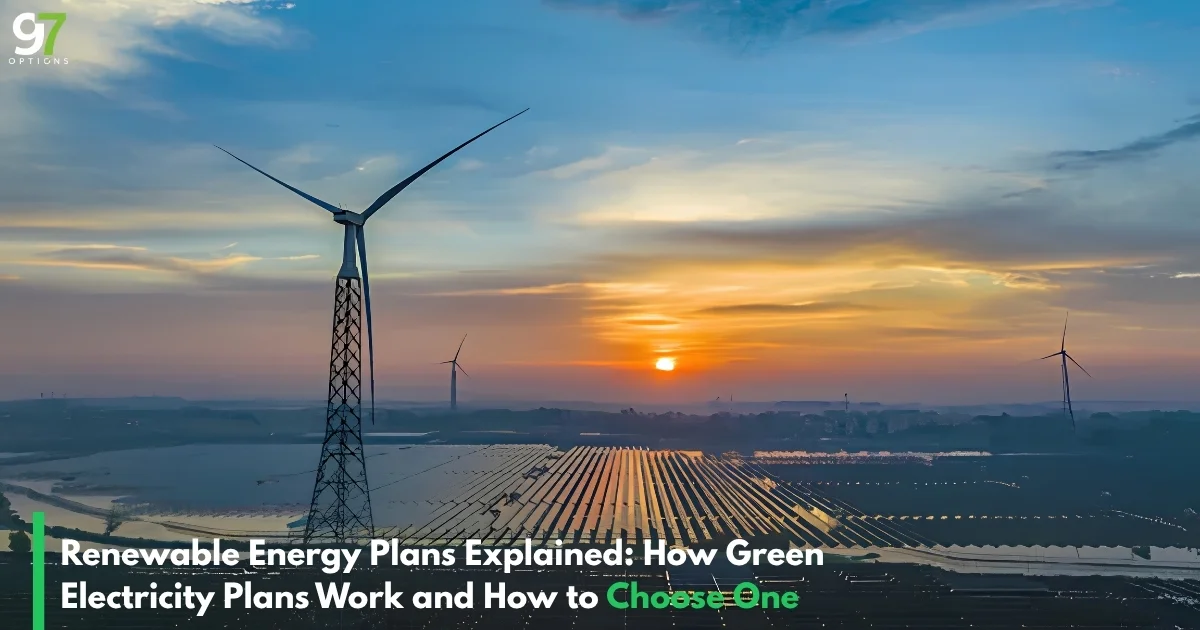
  • Solar energy generated through photovoltaic systems
  • Wind energy produced through wind turbines
  • Hydropower created through water-based electricity generation

When customers choose renewable electricity plans, they are supporting additional renewable energy generation through their electricity provider.

One common misunderstanding is that renewable energy means the electricity entering your home comes directly from a solar farm or wind turbine. In reality, your home remains connected to the same electrical grid. The difference is how energy programs and certificates match your electricity use with renewable generation.
For consumers, this means they can support clean energy options without installing rooftop solar panels or purchasing additional equipment.

How Do Renewable Electricity Plans Work?

Understanding how renewable energy plans work becomes easier when you understand how the electricity grid operates.

The power grid is a connected network that combines electricity from different sources before it reaches homes and businesses. Electricity generated from solar farms, wind projects, natural gas plants, and other sources all enters the same grid system.
Because electricity cannot be physically separated once it enters the grid, renewable energy programs use tracking systems to verify renewable generation.
These systems help ensure that renewable electricity claims are backed by actual clean energy production.
When you select a green electricity plan, your provider may purchase renewable energy certificates or participate in renewable energy programs that support clean energy generation.
This lets consumers support renewable energy growth while continuing to use their existing electricity connection.

What Are Renewable Energy Certificates (RECs)?

Renewable Energy Certificates (RECs) are an important part of how renewable electricity plans are tracked and verified.

A REC represents proof that one megawatt-hour of electricity was generated from a renewable energy source such as wind, solar, or hydropower.
These certificates help create transparency by showing that renewable energy was produced and added to the electricity system.
Without RECs, it would be difficult to verify renewable energy claims because electricity from different sources flows through the same grid.
When consumers choose renewable electricity plans, providers may use RECs to match their electricity usage with renewable generation.

Types of Renewable Energy Plans

Not all renewable energy plans are identical. Different plans may support different renewable sources and percentages.

Solar Energy Plans

Solar energy plans support electricity generated from solar farms or solar projects.

These plans are a popular option for customers who want to support solar power but do not want to install their own rooftop solar system.

Wind Energy Plans

Wind energy plans support electricity generated through wind turbines.

In areas with strong wind resources, wind energy can provide a reliable and affordable renewable electricity option.

Mixed Renewable Energy Plans

Some clean energy plans combine multiple renewable sources, including solar, wind, and hydropower.

These plans provide flexibility for consumers who want to support renewable generation from different sources.

100% Renewable Energy Plans

A 100% renewable energy plan is designed to match all electricity usage with renewable energy generation through renewable energy programs and certificates.

Benefits of Renewable Energy Plans

Choosing renewable energy plans can provide several benefits beyond environmental impact.

Support Cleaner Energy Generation

Renewable electricity plans help increase demand for renewable energy projects and encourage continued investment in cleaner power sources.

No Solar Installation Required

Many consumers think they need solar panels to use renewable electricity. However, renewable energy plans allow customers to support clean energy without making home upgrades.

More Energy Choices

Renewable electricity options give consumers more control over the type of energy generation they want to support.

Long-Term Energy Awareness

Comparing renewable and traditional electricity plans can help consumers better understand their energy usage, pricing structure, and available options.

Renewable Energy Plans vs Traditional Electricity Plans

Renewable and traditional electricity plans may look similar from a billing perspective, but they differ in how electricity generation is supported.

FactorRenewable Energy PlansTraditional Electricity Plans
Energy SourceSolar, wind, hydro, and other renewable sourcesMixed generation sources
Environmental ImpactSupports cleaner energy productionDepends on local energy mix
Installation RequiredUsually not requiredUsually not required
PricingDepends on provider and plan termsDepends on provider and plan terms

The biggest difference is not the equipment inside your home. The difference happens on the generation side, where renewable energy programs support cleaner electricity production.

Are Renewable Energy Plans More Expensive?

A common assumption is that renewable energy plans always cost more than traditional electricity plans. However, pricing depends on several factors.

The cost of a renewable electricity plan can vary based on:

  • Electricity provider
  • Contract length
  • Fixed or variable pricing
  • Renewable percentage
  • Location and energy market conditions
  • Household electricity usage

Some renewable electricity plans can be competitively priced compared with traditional options.

The best way to find the right option is to compare plans based on actual rates, contract details, and energy requirements rather than assuming renewable automatically means expensive.
Platforms like 97 Options help consumers review available energy plans based on their preferences and compare different electricity options before choosing a plan.

How to Choose the Right Renewable Energy Plan

Before selecting a renewable electricity plan, consider these important factors:

Check the Renewable Percentage

Some plans support partial renewable energy, while others offer 100% renewable energy options.

Understand exactly what percentage of renewable generation the plan includes.

Review Pricing Details

Look beyond the advertised rate and review your electricity rates and plan details to understand monthly charges, usage patterns, and contract terms.

  • Price per kWh
  • Monthly charges
  • Contract length
  • Cancellation fees

Understand Your Electricity Usage

Review previous electricity bills to understand your average usage patterns.

A plan that works for one household may not be the best option for another.

Compare Renewable Electricity Providers

Different renewable electricity providers may offer different rates, contract terms, and renewable energy options.

Comparing multiple plans helps you find a balance between cost, flexibility, and clean energy support.

Can You Use Renewable Electricity Without Solar Panels?

Yes. Renewable electricity plans do not require homeowners to install solar panels.

This is one of the biggest misconceptions about green electricity plans.
Solar panels are one way to generate renewable electricity, but they are not the only option. Consumers can explore different solar and green energy options depending on their energy goals and preferences.
Renewable energy plans allow customers to support renewable generation through existing electricity services.
You can continue using your current home wiring, meter, and grid connection while choosing a cleaner electricity option.

Why Comparing Renewable Energy Plans Matters

Renewable energy plans can appear similar at first glance, but important differences exist between available options.

Before choosing a plan, compare:

  • Renewable percentage
  • Electricity rates
  • Contract conditions
  • Monthly fees
  • Provider reliability

The best renewable energy plan is not always the cheapest option. It is the plan that provides the right combination of pricing, renewable support, and flexibility for your household.

Understanding these differences makes it easier to choose an electricity plan that fits your lifestyle and energy goals.

Disclaimer: Energy plans, pricing, and availability may vary by location and provider. Always review current plan details and terms before making a decision.

Frequently Asked Questions

What are renewable energy plans?

Renewable energy plans are electricity options that support electricity generation from renewable sources such as solar, wind, and hydropower.

Are renewable energy plans cheaper?

The cost depends on the provider, location, contract terms, and electricity usage. Comparing multiple plans can help identify affordable options.

Do renewable energy plans require solar panels?

No. Renewable electricity plans allow consumers to support clean energy without installing solar panels or other equipment.

What are renewable energy certificates?

Renewable energy certificates (RECs) provide proof that electricity was generated from renewable sources and help verify renewable energy claims.

Are green electricity plans available everywhere?

Availability depends on your location, local electricity market, and available energy providers.

What is the difference between renewable energy and solar energy?

Renewable energy includes multiple sources such as solar, wind, and hydropower, while solar energy specifically refers to electricity generated from sunlight.

Ready to compare plans?

Enter your ZIP code to see rates available in your area.

Enter your ZIP code